Watercolor Baked Goods Clip Art: A Sweet Design Toolkit
The Artisan Look: Understanding the Style
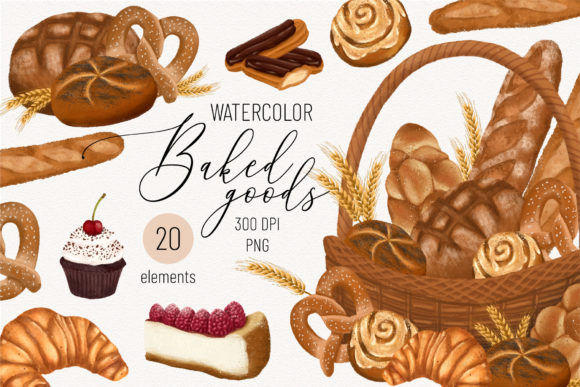
There is something universally comforting about the look of freshly baked bread or a perfectly frosted cake. When you translate that feeling into design, you get Watercolor Baked Goods Clip Art. This collection is not just about random images of pastries; it is about capturing the organic, fluid nature of watercolor textures combined with the detailed structure of baking. You will notice soft washes of color that mimic real paint, slight imperfections that add character, and a level of detail that feels handcrafted rather than digitally generated.
The visual personality of this clip art set is distinctly artisanal. It appeals to a sense of warmth, home, and quality. Unlike flat vector graphics, watercolor elements have depth. They feature light and shadow variations that make the bread look crusty and the cakes look fluffy. This style works exceptionally well when you want to evoke a "homemade" or "boutique" aesthetic. It avoids the sterile look of stock photography, offering a more curated and artistic vibe that resonates with audiences looking for authenticity.
Strategic Applications for Designers and Brands
Knowing how to use these assets effectively is key to maximizing their value. The versatility of Watercolor Baked Goods Clip Art makes it a powerful tool across various industries. Because the files are provided as transparent PNGs, they act like digital stickers. You can layer them over textured backgrounds, use them as accents in complex layouts, or feature them as standalone hero images.
Menu and Editorial Design
For restaurants, cafes, and food bloggers, these illustrations are invaluable. In editorial design, such as a cookbook or a food magazine, you can use these elements to break up text-heavy pages. Instead of a generic bullet point, use a small croissant illustration. For menu design, placing a watercolor cake at the top of the "Desserts" section immediately draws the eye and sets the tone for the offerings. It signals to the customer that the food is crafted with care.
Branding and Packaging
If you are building a brand identity for a bakery or a specialty food product, consistency is vital. These illustrations provide a cohesive visual language. You can use a specific bread loaf illustration on your logo, carry that same style onto your packaging labels, and use it again in your social media posts. This repetition builds brand recognition. The watercolor style suggests that your product is premium and made with natural ingredients, which is a strong selling point in the packaging design world.
Digital Presence and Social Media
In the realm of web design and social media graphics, attention spans are short. Visuals need to communicate instantly. A high-quality watercolor dessert can stop a user from scrolling. Use these assets to create Instagram stories, highlight covers, or website banners for seasonal promotions. Because the files are 300 DPI, they are crisp enough for both screen and print, ensuring your digital presence looks just as sharp as your physical products.
Technical Specifications and Licensing
When selecting design assets, understanding the technical details ensures a smooth workflow. This collection includes 20 PNG files. The choice of PNG format is significant here. Unlike JPEGs, PNGs support transparency. This means you do not have to spend hours with masking tools cutting out the backgrounds. You can simply drag and drop the element onto your canvas.
The resolution of 300 DPI (dots per inch) is the industry standard for print. This means you can print these illustrations on high-quality cardstock for greeting cards or use them on product labels without the image appearing pixelated or blurry. For digital use, this high resolution ensures the colors remain vibrant and the edges sharp on high-definition screens.
Regarding usage, the Personal & Commercial Usage license is a critical factor for professionals. This allows you to use the art in projects you sell—like a designed planner, a t-shirt, or a client's menu—without needing to pay royalties for every sale. However, as with any premium font or asset, you cannot resell the raw files themselves. You must incorporate them into a new design.
Integrating Art with Typography
A common challenge in design is pairing imagery with text. Watercolor Baked Goods Clip Art tends to have a very organic, soft feel. To create a balanced visual hierarchy, you need to choose your typography carefully.
If you use a heavy, bold sans serif font, it might clash with the delicate nature of the watercolor. Instead, consider pairing these illustrations with a clean, light sans serif for body text to ensure readability. For headlines, a script font or handwritten font often complements the artistic style of the watercolor, reinforcing the boutique feel. However, be careful not to overdo it. If both the image and the font are highly decorative, the design can become cluttered.
The goal is to let the clip art do the heavy lifting for the "vibe" while the typography handles the information. For example, a simple serif font for a price list paired with a detailed watercolor muffin illustration creates a look that is professional yet approachable.
Practical Tips for Selection and Use
Before finalizing your design, take a moment to evaluate the fit. Look at the color palette of the illustrations. Do they match your existing brand colors, or will you need to adjust your brand palette to accommodate them? While you cannot easily change the colors of a raster PNG file without some Photoshop skills, you can choose elements that feature neutral tones like browns, creams, and pastels that blend with most bakery aesthetics.
Also, consider the composition. The set includes individual elements and pre-made compositions. If you are designing a quick social media post, a pre-made composition saves time. If you are working on a complex logo design or a detailed website layout, individual elements give you the flexibility to place items exactly where you need them.
Ultimately, Watercolor Baked Goods Clip Art is more than just decoration; it is a storytelling tool. It helps convey the sensory experience of your product—the smell of the bread, the taste of the frosting—through a visual medium. By using these assets thoughtfully, you can elevate your project from amateur to professional, creating an emotional connection with your audience that drives engagement and sales.