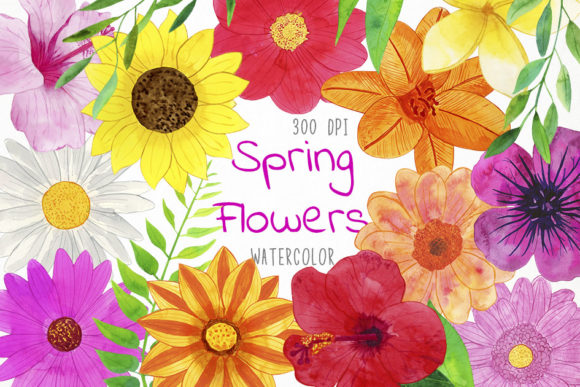
Spring Watercolor Flowers Clipart: Your Go-To Design Asset
There’s a specific feeling that comes with spring—new growth, soft light, and the gentle return of color. Capturing that feeling in a digital project can be tricky. Stock photos often feel sterile, and generic graphics lack soul. That’s where a thoughtful set of design assets makes all the difference. This collection of 19 hand-painted watercolor flower elements is less about rigid graphic design and more about bringing an authentic, artistic touch to your work. Each piece carries the subtle texture and slight imperfections of real paint on paper, offering a warmth that digitally generated graphics struggle to replicate. It’s a style that feels both timeless and fresh, perfect for projects that need a touch of organic elegance.
Understanding the Aesthetic: More Than Just Clipart
Let's be clear: this isn't your average clipart folder. The visual personality of these watercolor flowers is defined by their fluidity and softness. You’ll see delicate washes of color, where pigments bleed gently into one another, and visible paper texture that adds depth. This isn't a flat, uniform vector style; it's a premium font of visual assets that feels handcrafted. The appeal lies in its versatility. It can feel romantic and whimsical for a wedding invitation, or vibrant and energetic for a social media campaign promoting a garden center. The style itself influences the viewer's perception before they even read a word, setting a tone that is approachable, artistic, and high-quality.
So, where does this style truly shine? Its strength is in projects where brand identity relies on conveying authenticity, care, and a human touch. Think beyond the obvious. Yes, they are perfect for social media graphics announcing a spring sale, but consider their power in editorial design. A blog post about mindfulness or wellness feels immediately more calming with a subtle watercolor bloom as a header accent. For packaging design, these elements can transform a simple label for artisanal soap or tea into something that feels special and considered. In the realm of logo design, a single, carefully placed flower can become the cornerstone of a brand mark for a florist, a boutique, or a lifestyle coach, instantly communicating a core aesthetic.
Practical Applications Across Your Projects
The real value of a set like this is in its application. As a designer or marketer, you’re constantly balancing the need for visual impact with project constraints. These PNG files with transparent backgrounds are built for efficiency. You can drag and drop them into a layout without spending time on complex masking. Here’s how different professionals might integrate them:
- For Brand Strategists & Entrepreneurs: Use these elements to build a cohesive brand identity. They can become a signature visual motif across your website, business cards, and email newsletters, creating instant recognition and a consistent, professional feel.
- For Bloggers & Content Creators: Elevate your visual storytelling. Use a cluster of flowers to frame a quote, create custom Pinterest graphics that stand out in a feed, or add a delicate border to your featured images. This moves your content from simply informational to visually engaging.
- For Crafters & Hobbyists: The applications are wonderfully personal. Design unique greeting cards, create printable wall art for your home, or embellish digital scrapbook pages preserving family memories. The handwritten font quality of the art makes it feel personal and meaningful.
- For Small Business Owners: If you’re running a cafe, a yoga studio, or an online boutique, these assets help you create professional-looking marketing materials without the overhead of a full design agency. They provide a quick way to achieve a polished look in your digital and print collateral.
Working With Watercolor Elements: A Designer's Perspective
Integrating any new design asset requires a bit of thought to ensure it enhances rather than clutters. The goal with these watercolor flowers is to complement your typography and layout, not compete with it. A key consideration is balance. Because the elements have a lot of visual texture and soft edges, they pair beautifully with cleaner, more structured typefaces. Imagine the organic flow of a watercolor peony next to a crisp, geometric sans serif font for a headline. That contrast creates visual interest and hierarchy. Conversely, pairing them with a highly ornate script font might create a layout that feels too busy and hard to read.
Readability is paramount. Use these florals as accents, not as backgrounds behind large blocks of body text. A common and effective technique is to place a larger, more opaque flower element as a focal point, then use smaller, more translucent ones to create a subtle frame or to guide the viewer’s eye down the page. In web design, consider using them in hero sections, as dividers between content sections, or as subtle icons. The 300 DPI resolution ensures they will look sharp even in larger print formats, from posters to product packaging.
Before committing to a final design, always test how the elements interact with your chosen color palette. While the flowers come with their own colors, you can often adjust the hue and saturation in your design software to better match your brand’s scheme. Also, review the included styles. With 19 different elements, you have a library of options. Some will be bold, standalone blooms, while others might be smaller buds or leaves perfect for layering. Using a variety adds a natural, composed look to your layout, much like a gardener would arrange a bouquet.
Finally, a note on licensing. For designers and businesses, ensuring you have the correct commercial license for any creative font or graphic is non-negotiable. This set is provided for instant download, but it’s your responsibility to review the specific terms. Most licenses for assets like these allow for broad use in end products for clients, but prohibit reselling the raw files themselves. Understanding this upfront protects you and your clients, ensuring your beautiful spring-themed projects are built on a solid, professional foundation. When chosen and used thoughtfully, assets like this watercolor collection do more than just decorate—they communicate, elevate, and help build a memorable visual experience.