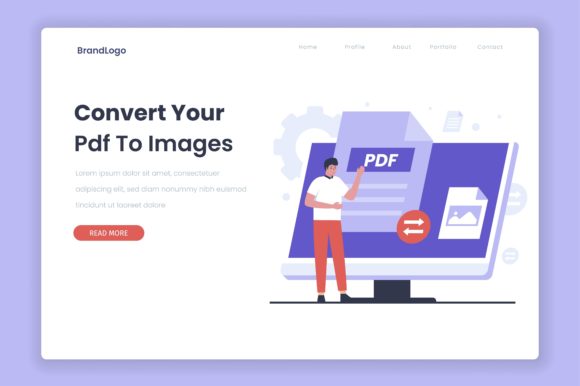
Transform Your Visuals: PDF to JPEG Convert Illustration Design
Every designer, marketer, and content creator knows the frustration of needing a specific visual element that just doesn't exist in the right format. You might have a brilliant concept in a PDF, but integrating it seamlessly into a dynamic website, a crisp mobile app, or a high-impact social media post requires a different kind of asset. This is precisely the gap filled by a thoughtfully crafted PDF to JPEG Convert Illustration Design. It’s not just a generic icon; it’s a comprehensive visual solution built for modern digital and print workflows.
Understanding the Core Concept and Visual Appeal
At its heart, a PDF to JPEG Convert Illustration Design is a conceptual artwork that visually communicates the action of converting a document from the Portable Document Format (PDF) into a Joint Photographic Experts Group (JPEG) image. The design goes beyond a simple arrow between two file icons. It often incorporates elements of transformation, clarity, and digital workflow. You might see a stylized PDF document with its corners lifting or fading, morphing into a vibrant, pixel-rich JPEG image. The color palette is typically clean and professional—think blues, grays, and whites for a tech-forward feel, or can be customized to match a specific brand identity. The style leans towards modern typography and flat or semi-flat design, ensuring it looks sharp on screens of all resolutions without overwhelming the viewer.
The personality of such an illustration is inherently practical, efficient, and trustworthy. It’s a visual shorthand for a common technical process, making it instantly recognizable to anyone who works with digital files. Its appeal lies in its specificity and versatility. Unlike a generic "file" icon, this illustration tells a clear story, which is invaluable for user interfaces, tutorial content, and marketing materials that explain software features or digital services.
Where This Illustration Shines: Practical Applications
The true value of this design asset is revealed in its wide range of applications. For web design and landing pages, it serves as an engaging hero image or a feature illustration for SaaS products, online converters, and productivity tools. It immediately communicates the site’s purpose, improving user comprehension and reducing bounce rates. In mobile applications, a custom version of this illustration can guide users through a conversion process within the app, enhancing the overall user experience with friendly, clear visuals.
Beyond digital interfaces, this asset is a powerhouse for content creators and marketers. Use it in blog post graphics to visually represent articles about file management, design tips, or software reviews. It’s perfect for social media graphics on platforms like Instagram, LinkedIn, or Pinterest, where a quick, clear visual can stop the scroll and communicate a complex idea in seconds. For print, it translates beautifully to posters and banners for tech conferences, workshop materials, or educational handouts about digital literacy.
Making the Right Choice: Integration and Best Practices
When selecting a PDF to JPEG Convert Illustration Design pack, look for one that offers multiple file formats. A comprehensive file includes options like AI File for full editability in Adobe Illustrator, EPS File for compatibility with other vector software, JPEG File for quick use, PNG File for transparent backgrounds, and SVG File for scalable web graphics. This flexibility allows you to adapt the illustration to any project, whether you’re tweaking colors in a vector program or dropping a transparent PNG into a website layout.
Consider the illustration’s style in relation to your existing brand identity. Does its line weight, color scheme, and level of detail align with your other design assets? The goal is consistency. A minimalist, line-art version might suit a sleek tech brand, while a more colorful, rounded style could fit a family-friendly educational app. Always test the illustration in context. Place it on your actual website mockup or next to your logo to see how it affects the overall visual hierarchy and readability of the surrounding text. Does it draw the eye appropriately without causing clutter?
Finally, think about commercial licensing. If you’re a small business owner or a freelance designer using this for client work, ensure the license covers your intended use, whether for a single project or multiple commercial applications. A well-chosen illustration does more than decorate; it clarifies, engages, and elevates the professionalism of your entire project, making the investment in a quality asset well worth it.